

The hallmark of neutrality is its demand that accounting information not be selected to benefit https://www.tallerapunt.com/2021/11/23/assessing-a-going-concern-in-accounting-audit/ one class of users to the neglect of others. While accountants recognize a tradeoff between relevance and reliability, information that lacks either of these characteristics is considered insufficient for decision making. Accounting is governed by established standards that ensure consistency and comparability across organizations.
Recording

To compute product-wise profit, and advise the management for the enhancement of profit. To calculate the cost per unit of the various products manufactured by the firm. Control of cost – Cost control aims at improving efficiency by controlling and reducing cost. This objective is becoming increasingly important because of growing competition. (iii) No identification of reasons for accounting meaning variation in cost – It is not possible from Financial Accounts to ascertain the reasons for the variation in cost of any two or more periods. The terms ‘Costing’ and ‘Cost Accounting’ are often used interchangeably.
Deferred Tax Asset (DTA)

Therefore, it makes sense that such events should also be reflected in the financial statements during the same reporting period that these transactions occur. The focus of financial accounting is outward – its work product is read by persons outside of a business, such as investors, creditors, and lenders. They may analyze financial ratios and trends to make informed decisions.
What is Cost Accounting – 11 Major Functions
- Tax accountants prepare and file tax documentation for a business and ensure it’s following all local, state, and federal regulations.
- Accrual accounting is a financial accounting method where a company records revenue and expenses before money is received or spent.
- Securities regulators draw on this standard to establish order and fair competition.
- Another important branch is auditing, which involves the independent examination of financial records.
- An accountant is a professional with a bachelor’s degree who provides financial advice, tax planning and bookkeeping services.
- The answer lies in Accounting—a systematic process of recording, analysing, and reporting financial transactions.
For corporations, the report is called a statement of shareholders’ equity (or stockholders’ equity). And it would also document share capital from issuing stocks, as well as retained earnings, which shows the accumulated profits left over after paying dividends or distributions to stockholders. The stockholders’ claim on a company’s assets, often referred to as owners’ equity or net assets. Increases in assets or settlements of liabilities from delivering goods, providing services, or other major operations. Decreases in net assets from incidental transactions that aren’t expenses or distributions to owners.
- The accounting standards are important because they allow all stakeholders and shareholders to easily understand and interpret the reported financial statements from year to year.
- To speed up action, you may hire accounting professionals or purchase accounting software to ensure accurate financial audits and reporting.
- The management should know the actual cost of their products before embarking on any scheme of reducing the prices or giving tenders.
- They ensure that companies adhere to standards and regulations to safeguard the interests of all stakeholders.
- Larger companies often have much more complex solutions to integrate with their specific reporting needs.
- In this way, it is common for businesses to hold separate financial statements for tax, financial, and managerial reporting.
Types of Business and Forms of Ownership

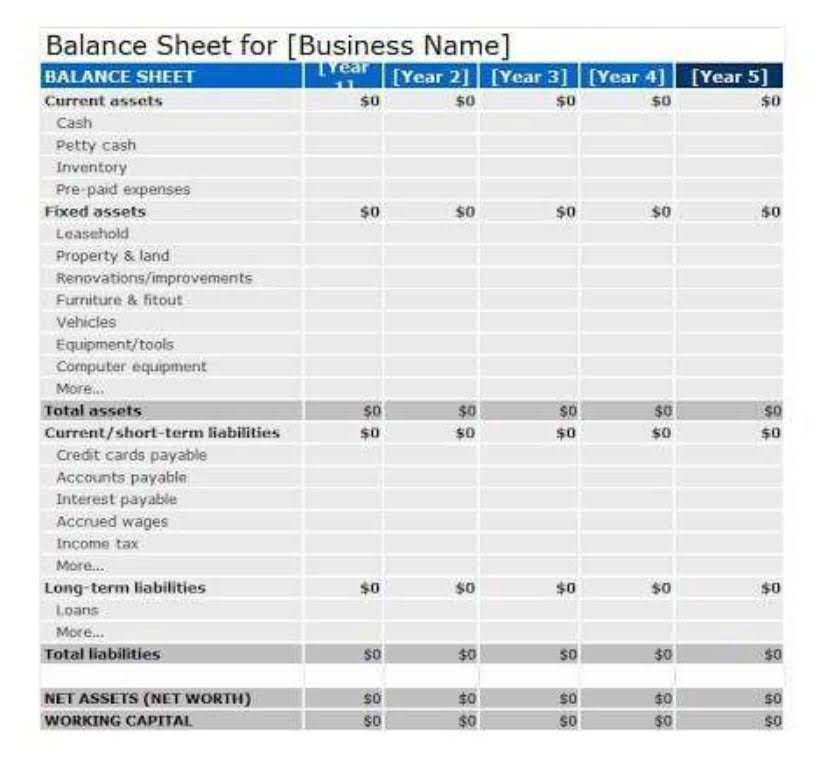
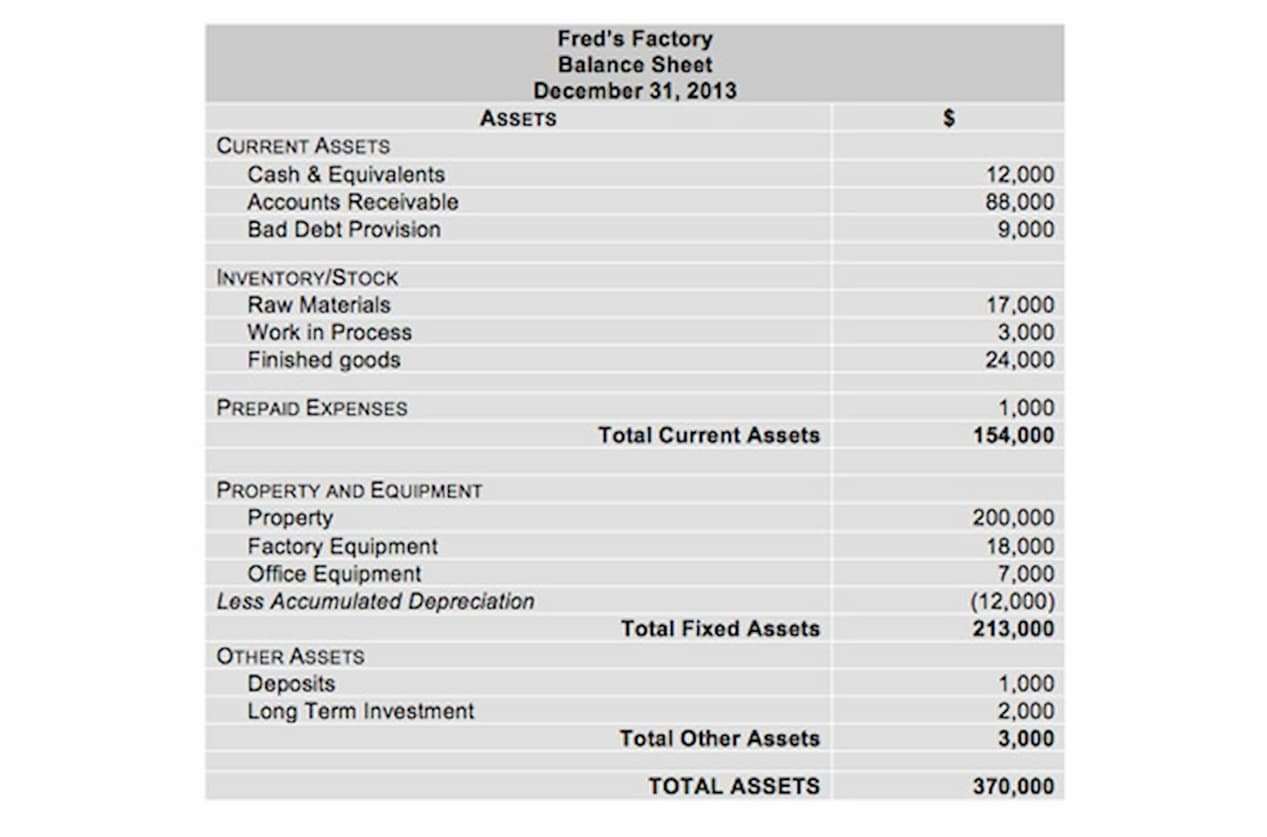
Assets, liabilities, and equity accounts are reported on the balance sheet, which utilizes financial accounting to report ownership of the company’s future economic benefits. The information in the general ledger is used to derive financial statements, and may also be the source of some information used for internal management reports. Financial statements include the income statement, balance sheet, and statement of cash flows. When running a small business, you should choose an accounting software product and consider hiring an accountant. Accounting software does a lot of the heavy lifting (such as keeping track of debits and credits) for you.
Key Accounting Principles
Financial accounting requires objectivity and neutrality in recording and reporting financial transactions. Information should be based on verifiable evidence and free from bias or personal judgment. Financial statements should be prepared using consistent accounting methods and principles from one period to another. Consistency allows users to compare financial performance over time and make meaningful evaluations. You can use accounting to track cash flow and quantify your company’s financial health.
New Business Terms
Conversely, liabilities are financial obligations that the company must fulfill, such as loans and accounts payable. Finally, an essential part of financial statement analysis is budgeting and forecasting. Companies use budgets to plan their financial activities for a specific period, allocating resources, setting goals, and monitoring progress. Budgets help businesses control their expenditures, anticipate financial challenges, and identify growth opportunities. Companies use cost accounting to identify the profitability of individual products or services, optimize their production processes, and manage their expenses more effectively. As you may have guessed, each of the types of accounting listed above translate to a different job title or pathway.
Economies of Scale: Meaning, Types, Sources
The name managerial accounting states that its audience is the Certified Bookkeeper management of private companies using it to operate the business. To make sense of business transactions, we can organize them into categories, such as revenue, expenses, assets, liabilities, and equity. Classification ensures that each transaction finds its rightful place in the financial landscape.