
They may slur their words, have difficulty with coordination and experience cognitive declines. The characteristics of the middle or “crucial” stage include extreme shame and profound guilt surrounding drinking. At this point, the person finally realizes they have a problem and may attempt to mitigate it by changing their patterns.
What are the different alcohol withdrawal stages?

People who use other illegal drugs in addition to alcohol typically experience more severe withdrawal symptoms. The detoxification process in such individuals can be complicated, requiring specialized medical care. Then, you can work with your doctor to find the best treatment plan for you. Treating these mental health issues is a must, especially if they were at the root of your drinking. The first phase is called acute withdrawal, and symptoms tend to be physical, like stages of alcoholic recovery nausea, insomnia, or even tremors and seizures. If these symptoms make it harder for you to stay sober, medications may help.
Action: Beginning the Recovery Process
- Additionally, implementing behavioral changes, like developing healthier coping mechanisms and engaging in supportive social networks, is essential for maintaining long-term recovery.
- You don’t have to drastically change your routine by standing up all night instead.
- Remember that alcohol use disorder is a medical condition, with a medical solution.
- After their system is free of alcohol and they have achieved physical stability, they will participate in the psychological side of treatment, including different types of therapy and counseling.
You’ll notice improved digestion as your stomach lining heals, accompanied by better nutrient absorption and stabilized blood sugar levels. Your pancreas regains normal function, reducing diabetes risks, while your heart benefits from decreased arrhythmia and drug addiction hypertension risks. Weight management becomes more effective as your body shifts from processing empty alcohol calories to utilizing nutrient-dense foods efficiently. The reduction in empty alcohol calories naturally supports weight loss without additional dietary changes. Those who previously experienced frequent headaches will find that better sleep patterns contribute to fewer withdrawal symptoms.
The Stages of Alcoholism and Recovery
Alcohol recovery employs a multifaceted approach to help individuals overcome dependence and achieve sustained sobriety. MAT, for instance, combines medications like naltrexone with behavioral therapies to address substance use disorders effectively. Alcohol recovery is a multifaceted process aimed at helping individuals overcome alcohol dependence and achieve a healthier, sober lifestyle.
- John joined Amethyst as a behavioral health technician where he quickly developed strong personal relationships with the clients through support and guidance.
- Unlike the Pre-Contemplation stage, there is an acknowledgment of the negative effects of alcohol, but uncertainty and hesitation delay immediate action.
- Education, motivational interviewing, and building trust are essential tools for helping someone move beyond precontemplation.
- At Nova Recovery Center, we tailor every treatment plan to align with your personal goals, history, and needs.
- Support from counselors, peer groups, and healthcare professionals plays a key role in sustaining progress.
- Cravings can persist, and emotions previously numbed by alcohol may feel overwhelming.
Nalmefene for Alcohol Addiction Treatment: How It Works, Uses, Dosage, Side Effects, Alternatives
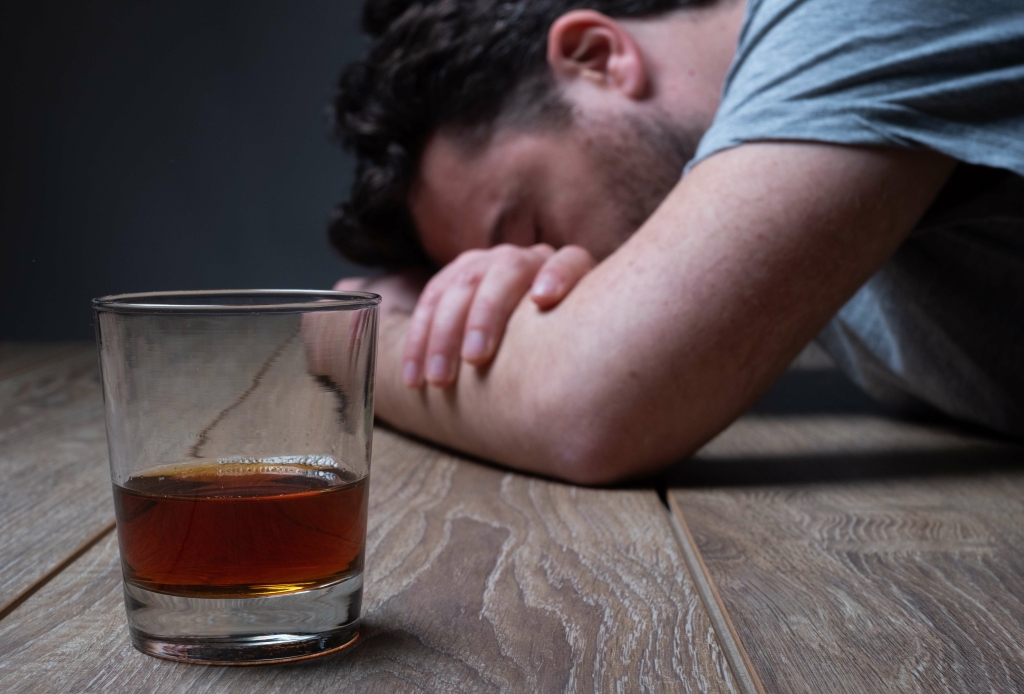
Once an individual has successfully completed the detoxification stage, they enter the rehabilitation phase of alcohol recovery. This stage focuses on addressing the underlying issues that contribute to alcohol addiction and developing strategies for long-term sobriety. Rehabilitation typically involves a combination of addressing underlying issues and participating in behavioral therapy and counseling. Detoxification is a critical stage in the journey of alcohol rehabilitation. It involves breaking the physical dependence on alcohol and addressing the withdrawal symptoms that may arise when an individual stops drinking.
The techniques that are used in alcohol recovery in New Jersey include therapy and counseling, medications, support groups, and holistic approaches. A combination of these methods increases the chances of sustained recovery. When combined with other evidence-based therapies, such as cognitive behavioral therapy (CBT), MAT can help prevent relapse and increase your chance of recovery. The next few months are pretty similar alcohol recovery stages, though you will now have time to look at other areas of your life. If you are in a rehabilitation center, it is likely that you will be released somewhere during this time frame. You will have an aftercare plan that includes outpatient sessions and support groups.